




Light Up Your Jeep.
From the Inside Out.
LYT Shade is a Jeep soft-top shade with an integrated fabric fiber optic light system, controlled wirelessly via a custom mobile app I built. My brother and I co-founded the company, and my side of the build was all hardware sourcing and reverse-engineered Bluetooth — from hunting down a Chinese manufacturer to sniffing Bluetooth packets to make the thing actually work.
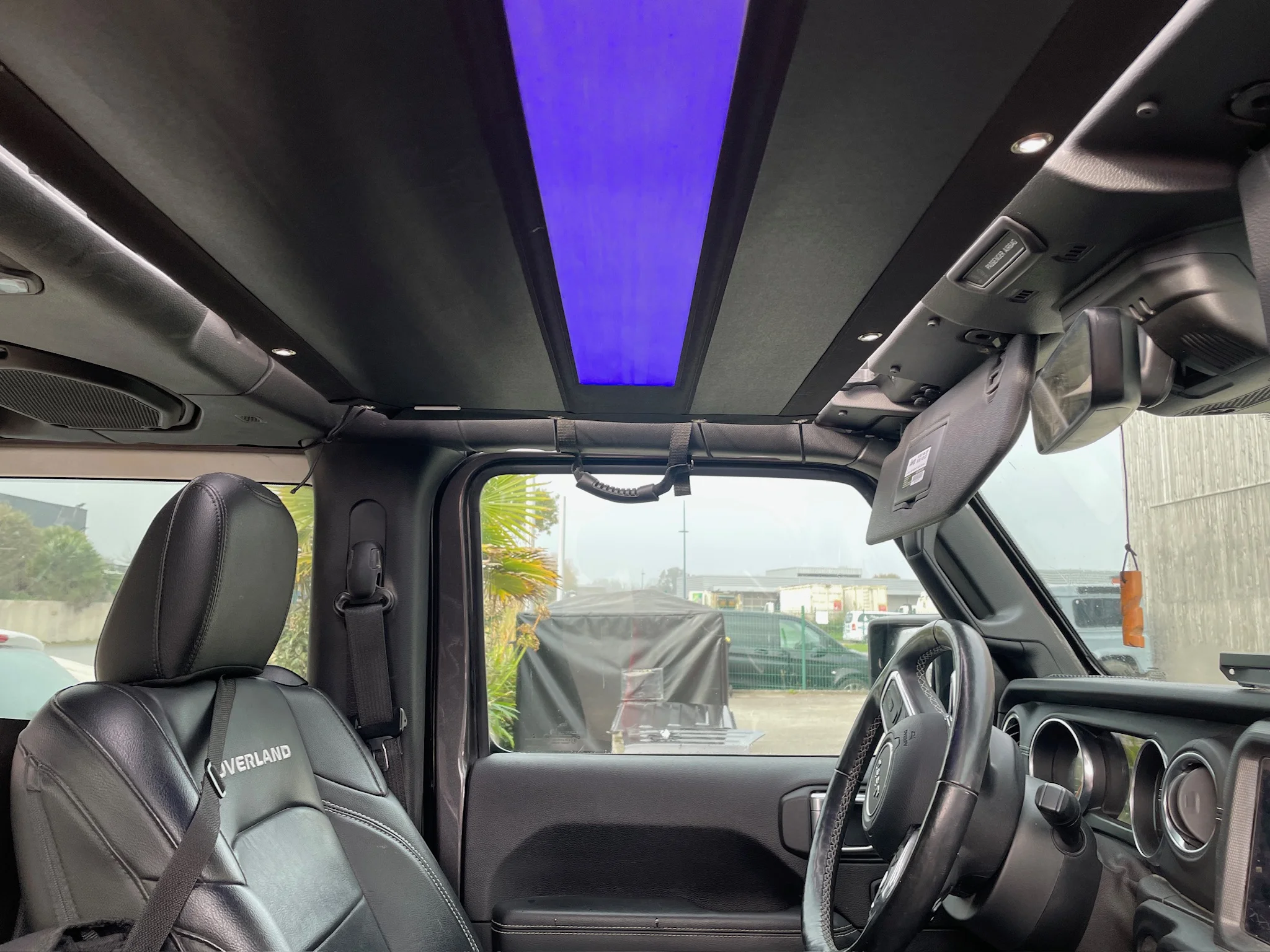
FIBER OPTIC LIGHTS ON
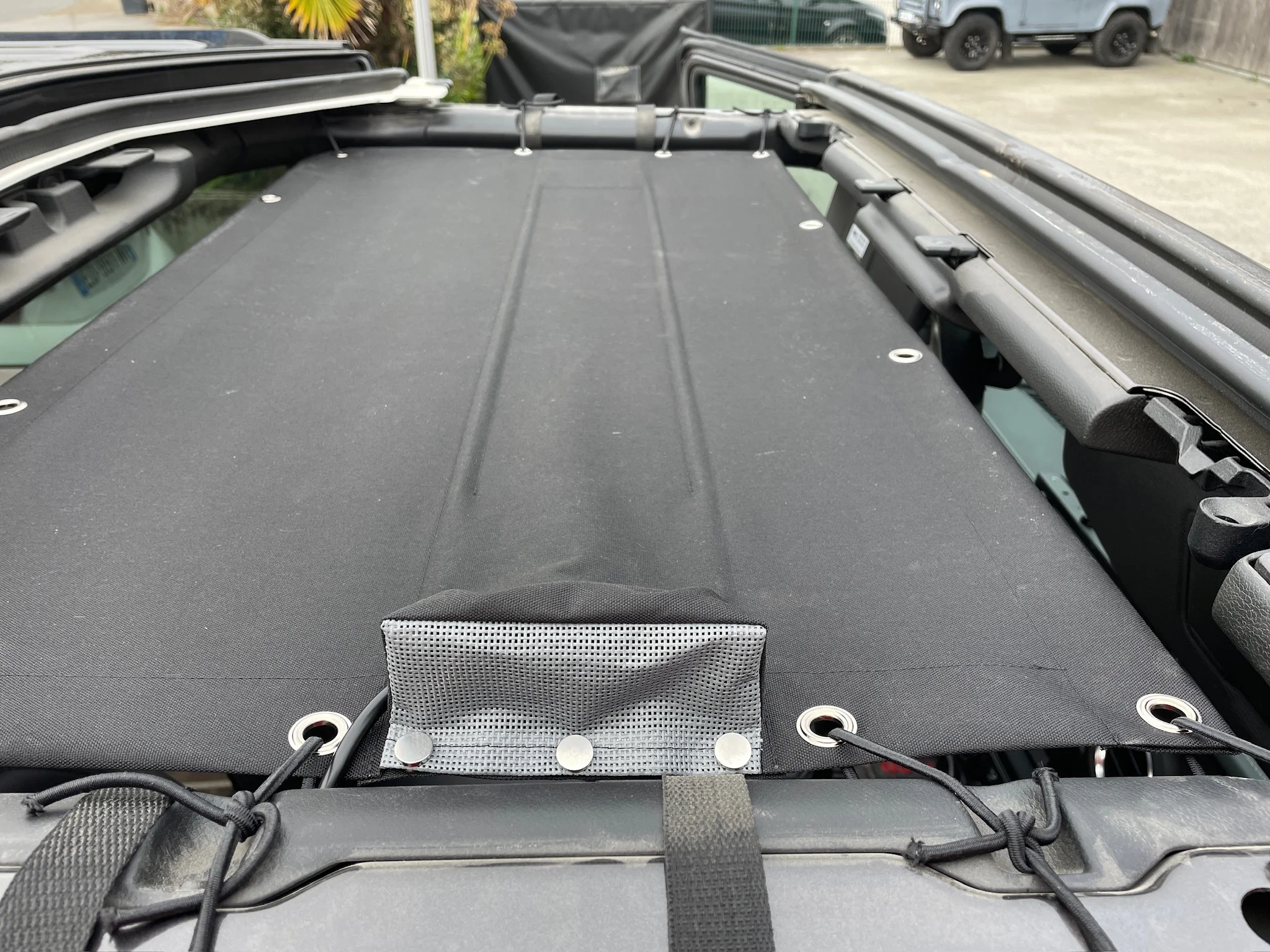
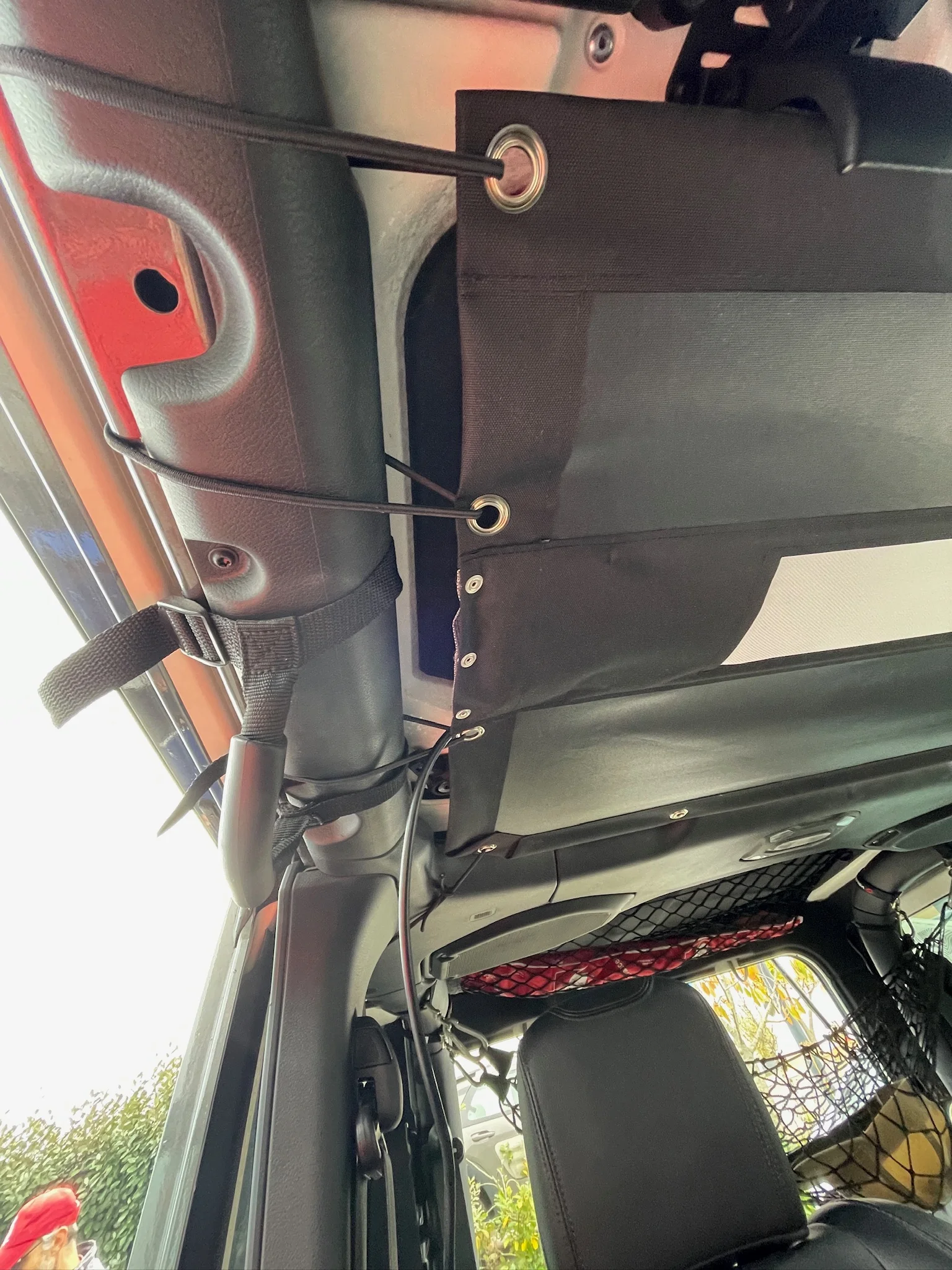
PROTOTYPE INSTALLED
Built with my brother
My brother and I co-founded Light Your Top together. The idea was straightforward but hadn't been done well: Jeep owners love customizing their rigs, and the soft top is prime real estate for something unexpected. We designed the LYT Shade — a replacement top panel with fabric fiber optic strands woven in, powered by a light injector and controlled over Bluetooth. Flip on the app, change the color, make it pulse to music. It's genuinely cool.
My main contribution to the company was on the hardware and software side: sourcing the Bluetooth controller and then building a custom mobile app to control it. The controller came from China — we looked hard for domestic manufacturers, but American suppliers were running 5x the price. We used American-made parts wherever we could, but for a bootstrapped company trying to prove the concept, finding the right Chinese manufacturer was the pragmatic move.
"We tried hard to use American-made parts. But sometimes, to get something off the ground, you have to be pragmatic."
Getting the controller right took multiple manufacturer relationships and prototype rounds. Once we had hardware we were happy with, I realized the stock mobile app that shipped with the controller was not going to cut it. It didn't give us the control we needed over the light injector, and it felt generic. So I reverse-engineered the whole thing and built our own app from scratch.
Three components. One connected system.
The LYT Shade is a hardware + software product. Each piece depends on the others.
LYT Shade Panel
A Jeep soft-top panel with fabric fiber optic strands woven into the material. Replace your stock panel and suddenly the inside of your Jeep glows.
Light Injector
The light source that feeds into the fiber optic strands. Connected to the Bluetooth controller, it's what actually produces the color and effects the app commands.
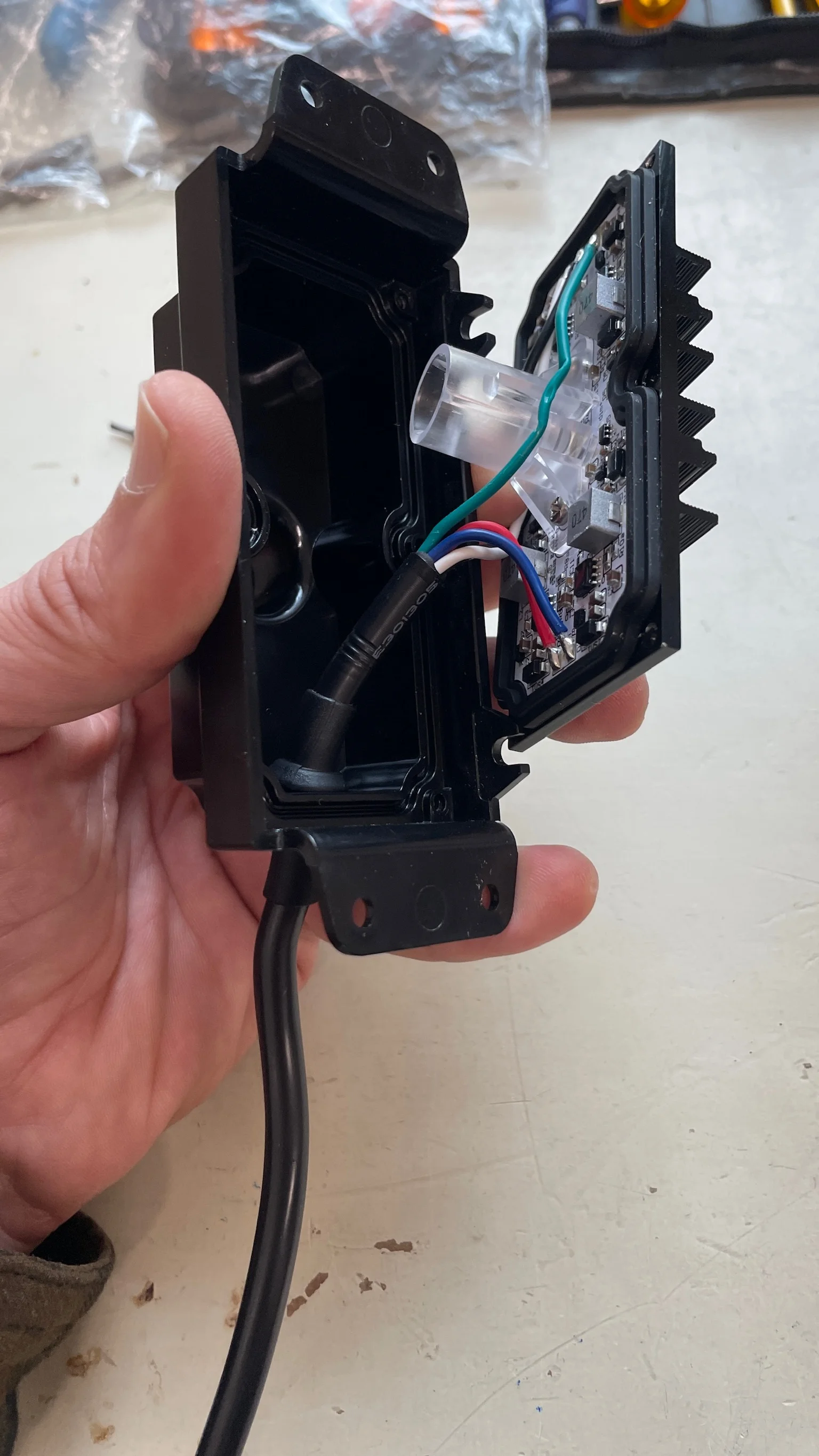
Custom Mobile App
Built in Flutter, connects to the Bluetooth controller via BLE. Change colors, set flash patterns, make the lights pulse to music — all wirelessly from your phone.
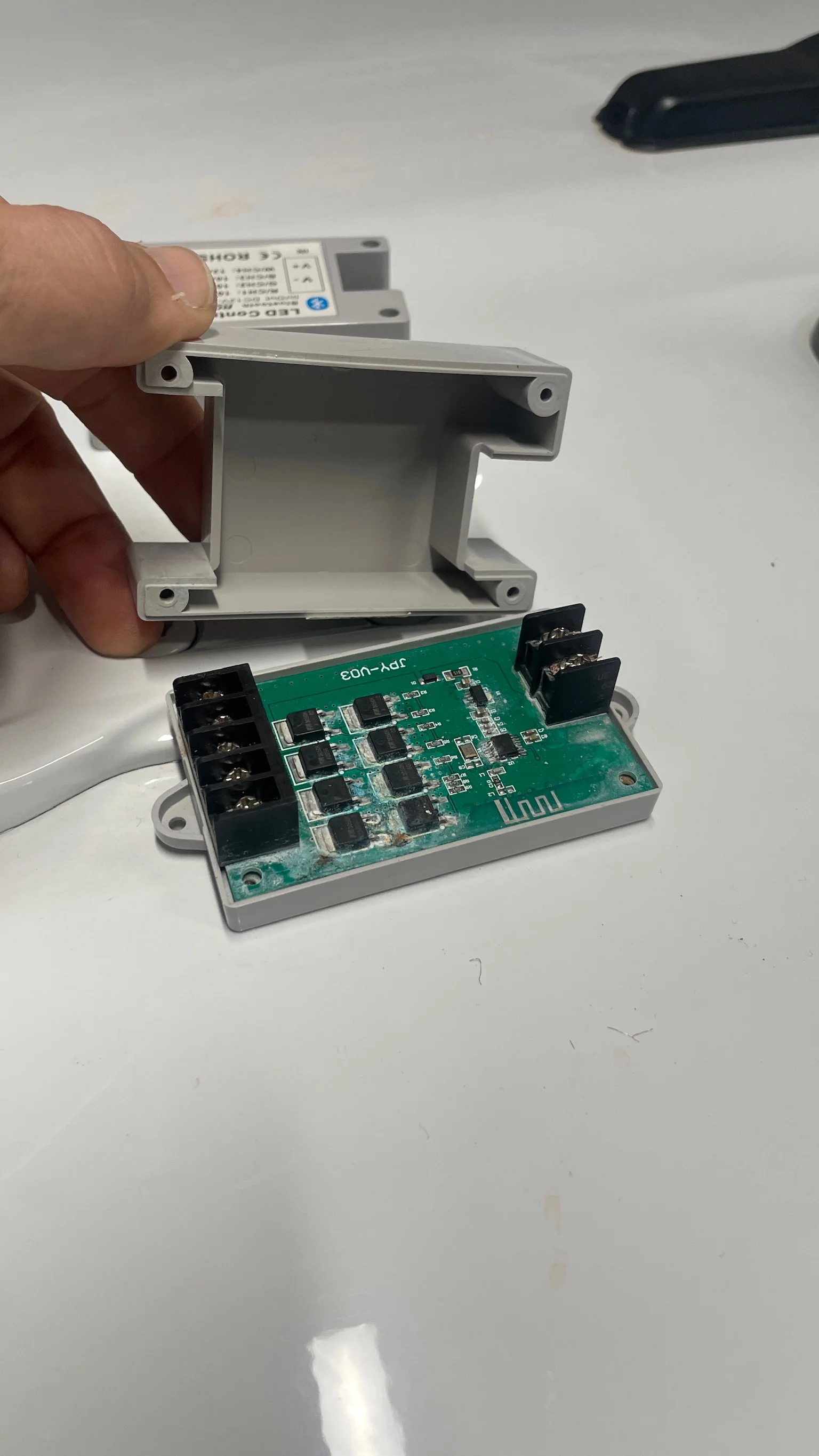
Reverse-engineered from the ground up
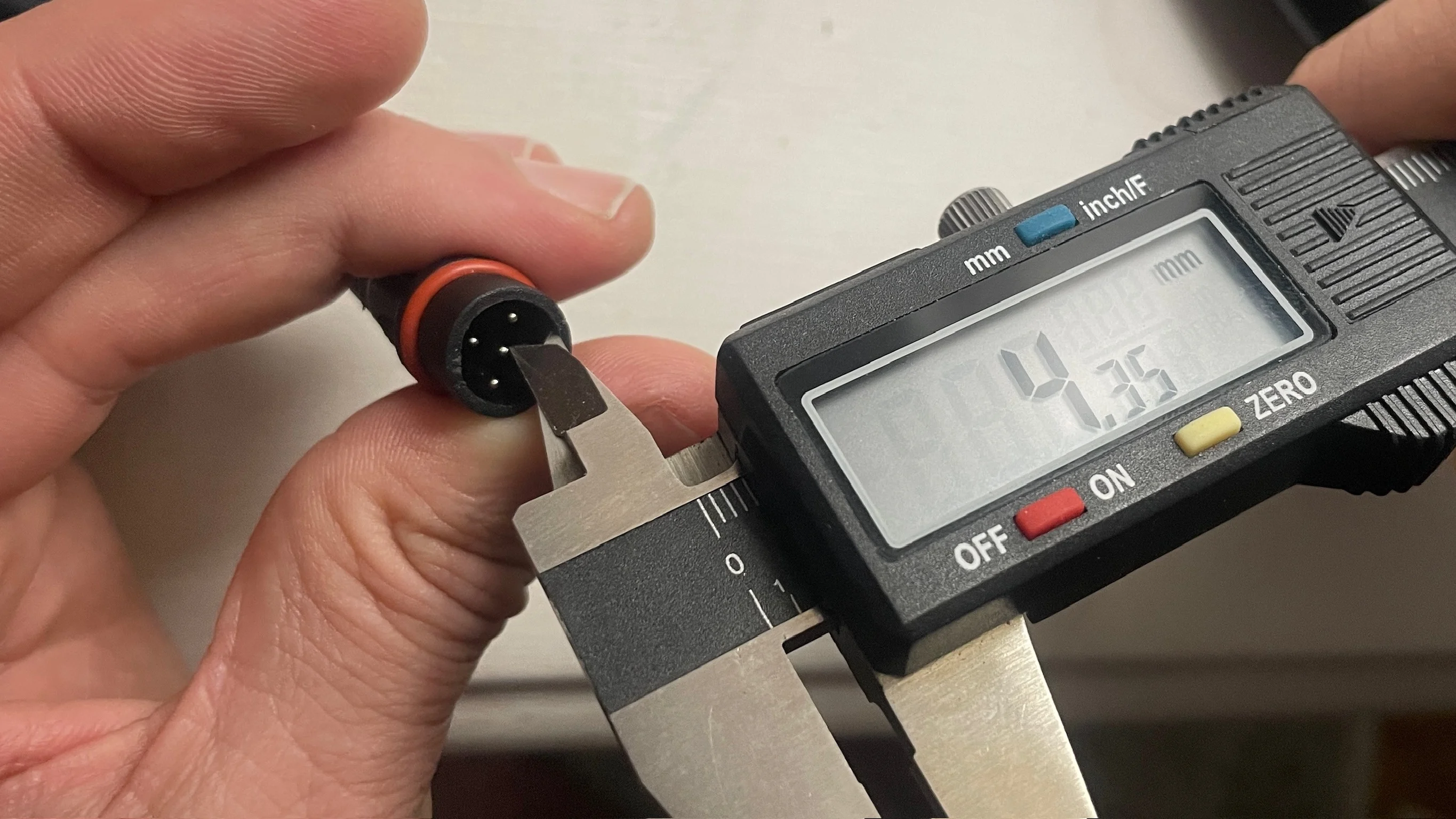
The Bluetooth controller we sourced from China shipped with a generic mobile app. It worked, sort of — but it didn't give us the control we needed over the light injector. The color presets were limited, you couldn't fine-tune effects, and music-sync didn't exist. We needed our own app. The problem: no documentation, no API, no SDK. Just a physical device.
So I reverse-engineered it. I opened up the controller, found the chip manufacturer's markings, and tracked down whatever specs I could on that chip. Then I ran a Bluetooth packet sniffer while operating the stock app, logging every BLE command it sent to the device. With enough logged packets, patterns emerge — you can start to decode what byte sequences correspond to what actions. Combined with the chip specs, I pieced together a command protocol and built a Flutter app that could talk to the hardware directly.
It took a lot of trial and error. Send a packet, see what happens. Tweak it, send again. Eventually I had full color control, flash patterns, strobe effects, and a music-reactive mode that uses the phone's microphone to pulse the lights to the beat.
What was hard
Finding the right manufacturer — and going through many prototypes
Sourcing hardware overseas is not a one-and-done process. We went through multiple manufacturers and prototype rounds before landing on a Bluetooth controller we were happy with. Every round meant evaluating build quality, BLE reliability, and whether the firmware was even workable. It's a grind — you have to be willing to walk away from something that's almost right.
Reverse-engineering with no documentation
No docs, no SDK, no official API. Just a physical chip and a stock app I didn't control. Getting from "I have a device" to "I can send it arbitrary commands from my own app" required combining packet sniffing, chip teardown, manufacturer datasheets, and a lot of trial and error. The moment patterns started to emerge from the captured packets was genuinely satisfying — it felt like cracking a code.
American manufacturing costs
We genuinely tried to source domestically. Fiber optic fabric, mounting hardware, wiring — American-made where we could. But the Bluetooth controller at US prices would have made unit economics impossible for a bootstrapped company. The 5x cost differential is a real tradeoff, but for a startup proving a concept, it was the only realistic path.
Where things stand
Light Your Top is an early-stage hardware product. The prototype is real, the app works, and the concept has been validated by everyone who's seen it in person. The reaction when you turn it on inside a Jeep is exactly what we were going for. Follow along on Instagram to see where it goes.
Current status
- Prototype built and installed
- Custom mobile app complete — color, effects, music sync
- Bluetooth controller sourced and reverse-engineered
- Production manufacturing in progress
- App Store release planned
See it in action.
Follow the build.
We post progress, installs, and the full product story on Instagram.
@lightyourtop on Instagram