




Run a Painting Business
Without the Chaos
A custom operations management system I built for a painting business. It handles lead intake, client communication, job scheduling, resource allocation, and performance tracking — replacing a mess of spreadsheets and manual processes with one real-time platform powered by AI.
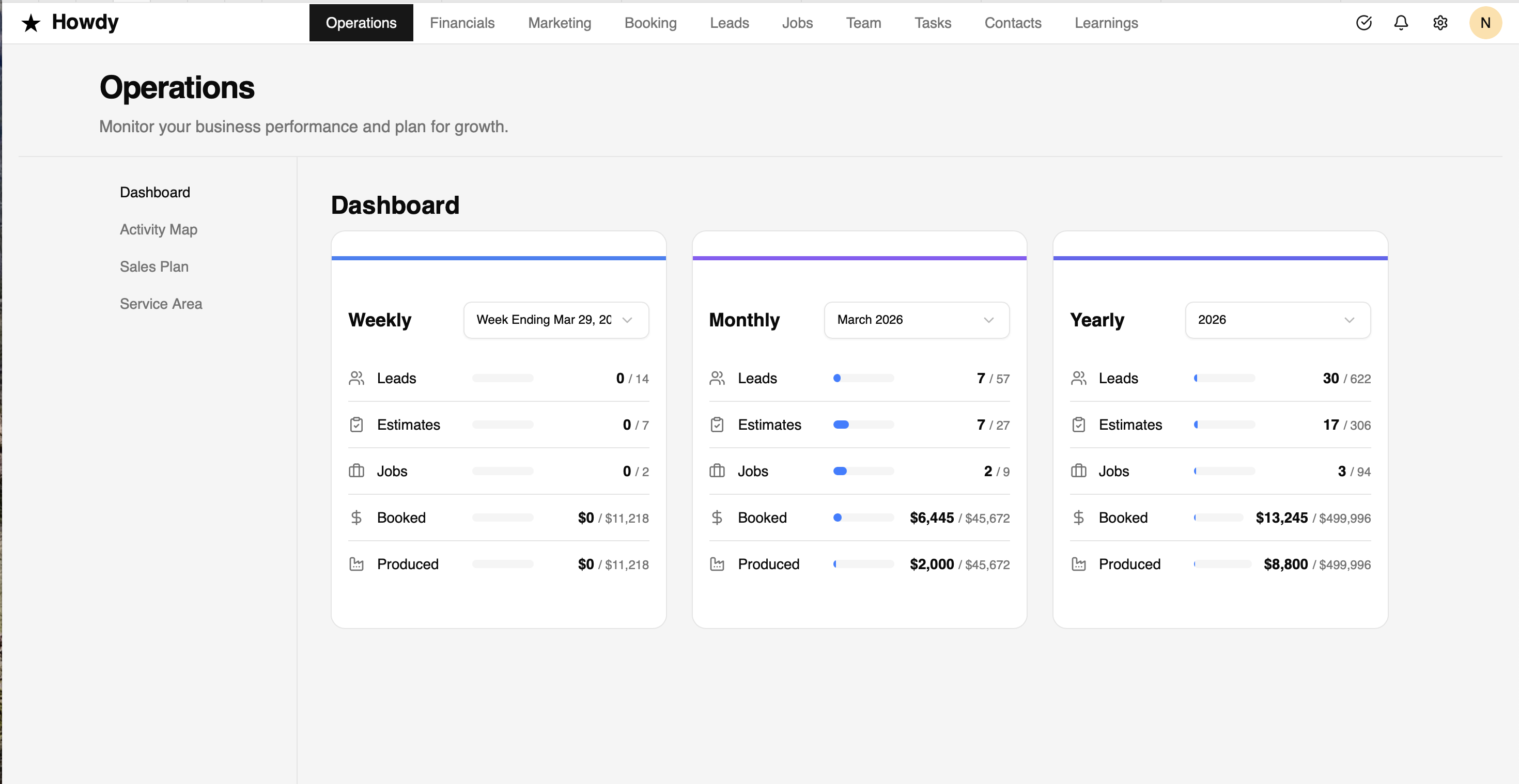
Built for a real business with real problems
A friend runs a painting company — Howdy Painting. Like a lot of small service businesses, the operations were held together with spreadsheets, text messages, and a whiteboard. Leads came in from multiple sources but there was no system tracking them. Scheduling was a guessing game. Nobody had a clear picture of which jobs were profitable and which weren't.
The real pain wasn't any one broken process — it was the fragmentation. Information lived in six different places. Following up on a lead meant checking email, then a spreadsheet, then asking someone. Scheduling a crew meant cross-referencing a calendar with a text thread. It worked, but barely, and it couldn't scale.
I built Howdy App to be the single source of truth for the entire operation. One place for every lead, every client conversation, every job, every crew assignment, every performance metric. And I layered in AI to automate the stuff that was eating up hours — data extraction, follow-up workflows, decision support based on actual numbers.
"The goal was simple: replace the chaos with a system that actually scales."
This was also a proving ground for building custom software with AI tools. I built the entire app using Windsurf and Claude Opus 4.6 — writing code alongside AI, not just using AI as a feature inside the product. It's a good example of what's possible when you pair domain expertise with modern AI-assisted development.
End-to-end operations in one system
Every part of running the business — from the first lead to the final invoice — flows through a single platform.
Lead & Contact Management
Capture leads from every source, track them through the sales pipeline, tag and segment contacts, and never let a follow-up slip through the cracks.
Job Scheduling & Crews
Schedule jobs, assign crews, allocate resources, and track every project from estimate to completion. No more whiteboard guessing games.
AI-Powered Workflows
Automated data extraction, smart follow-ups, and AI-driven decision support — replacing hours of manual work with intelligent automations.
Performance & Goal Tracking
Real-time dashboards that tie daily operations to company goals. See which jobs are profitable, which crews are performing, and where the bottlenecks are.
Sales Pipeline
Track every opportunity from first contact to closed deal. Manage estimates, proposals, and conversions with a clear view of where revenue is coming from.
Desktop & mobile, built for the field
Painting crews are on job sites, not sitting at desks. Howdy App works on every device — full desktop views for the office, mobile-optimized for the truck.
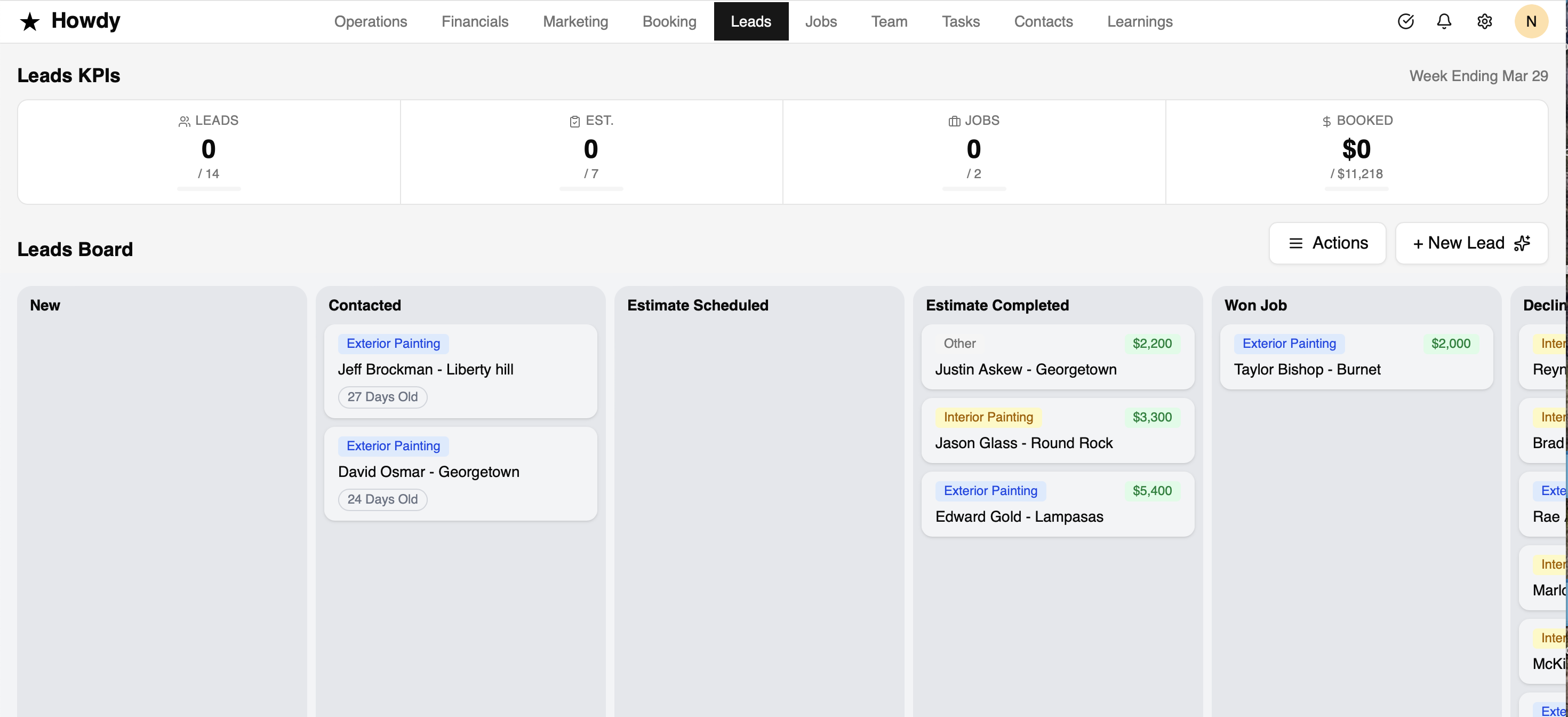
Leads Board — drag-and-drop pipeline from first contact to won job
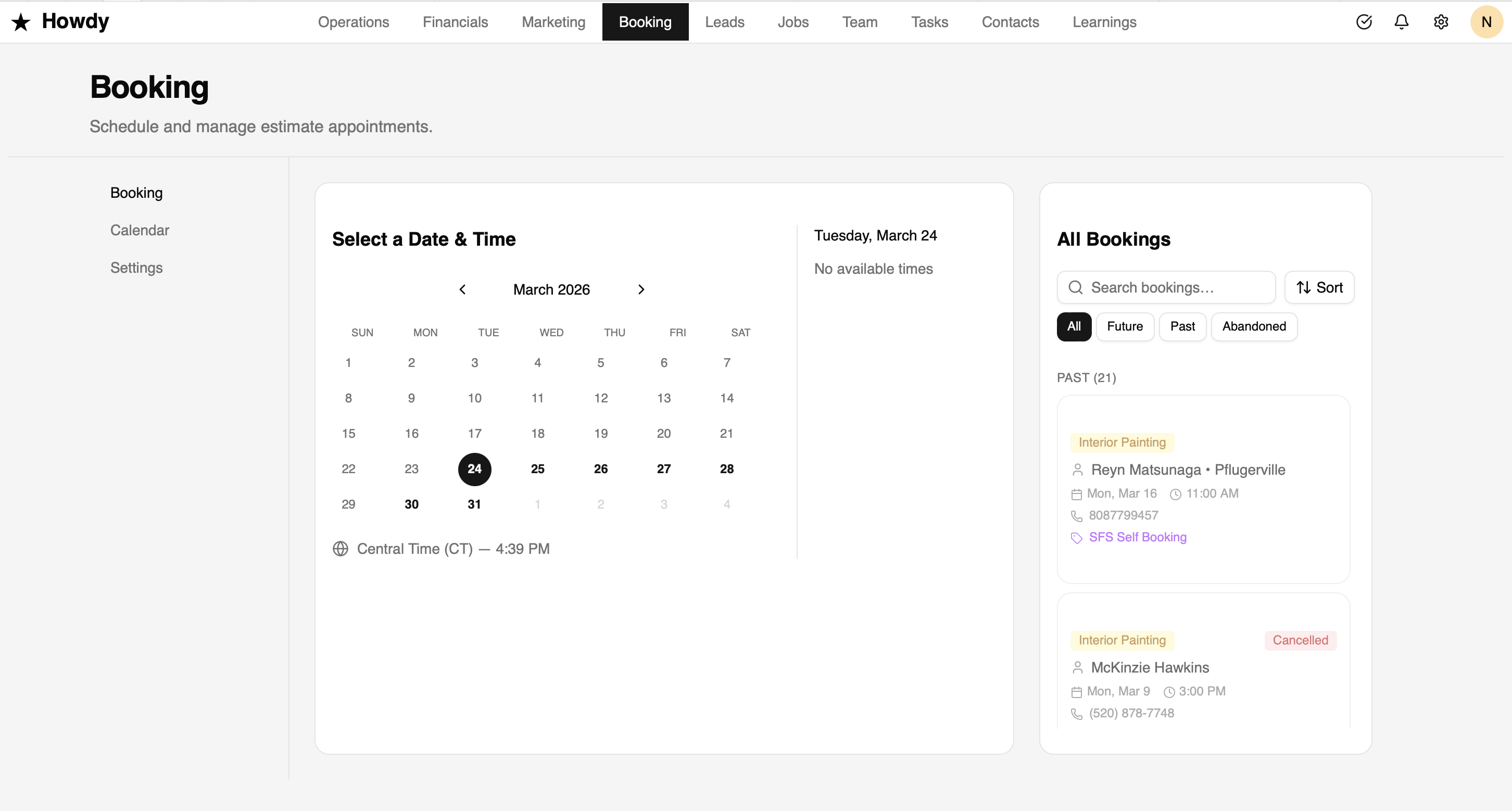
Booking — schedule estimates and manage appointments
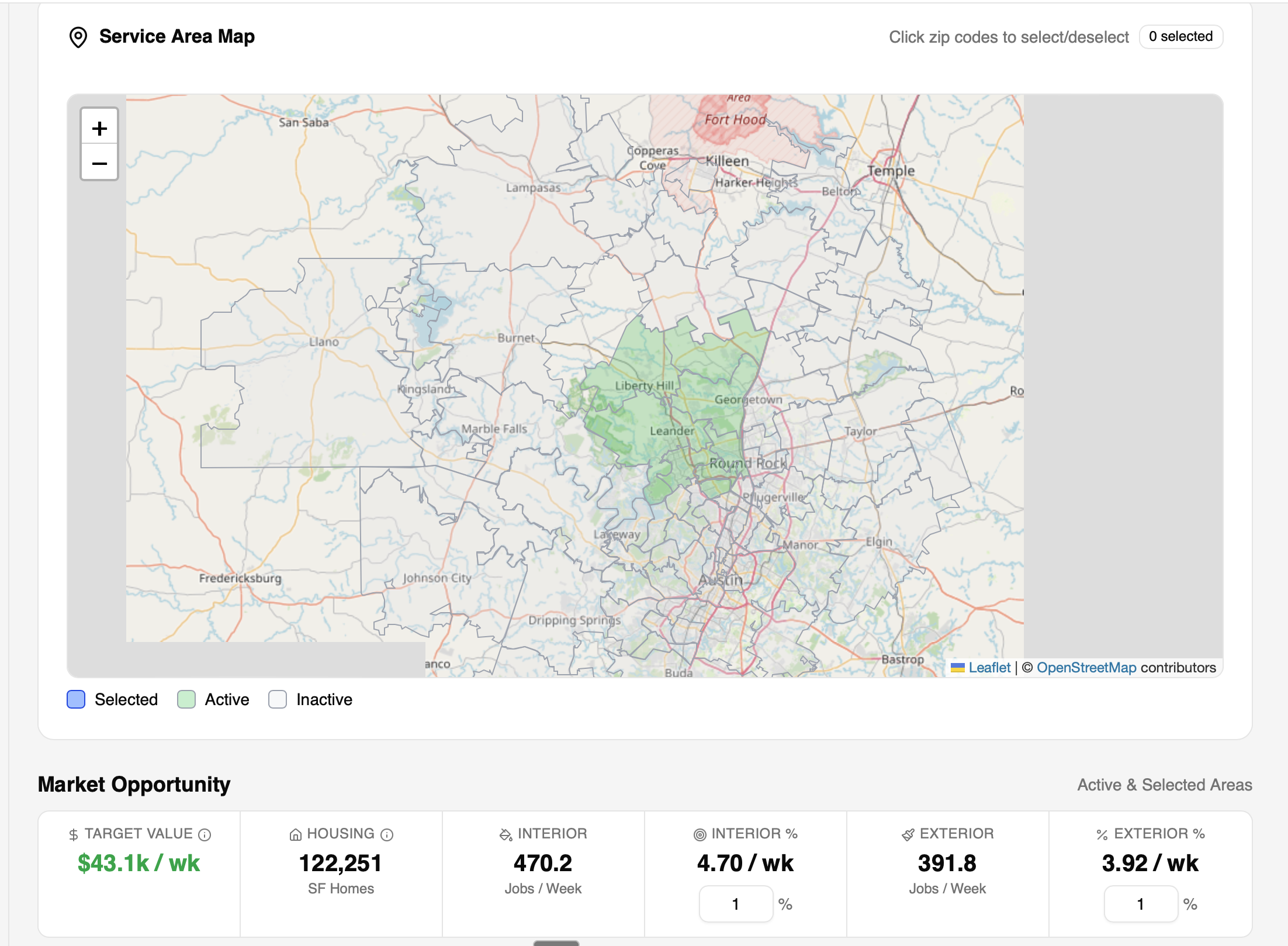
Service Area Map — geographic coverage with market opportunity analysis ($43K/wk target, 122K homes)
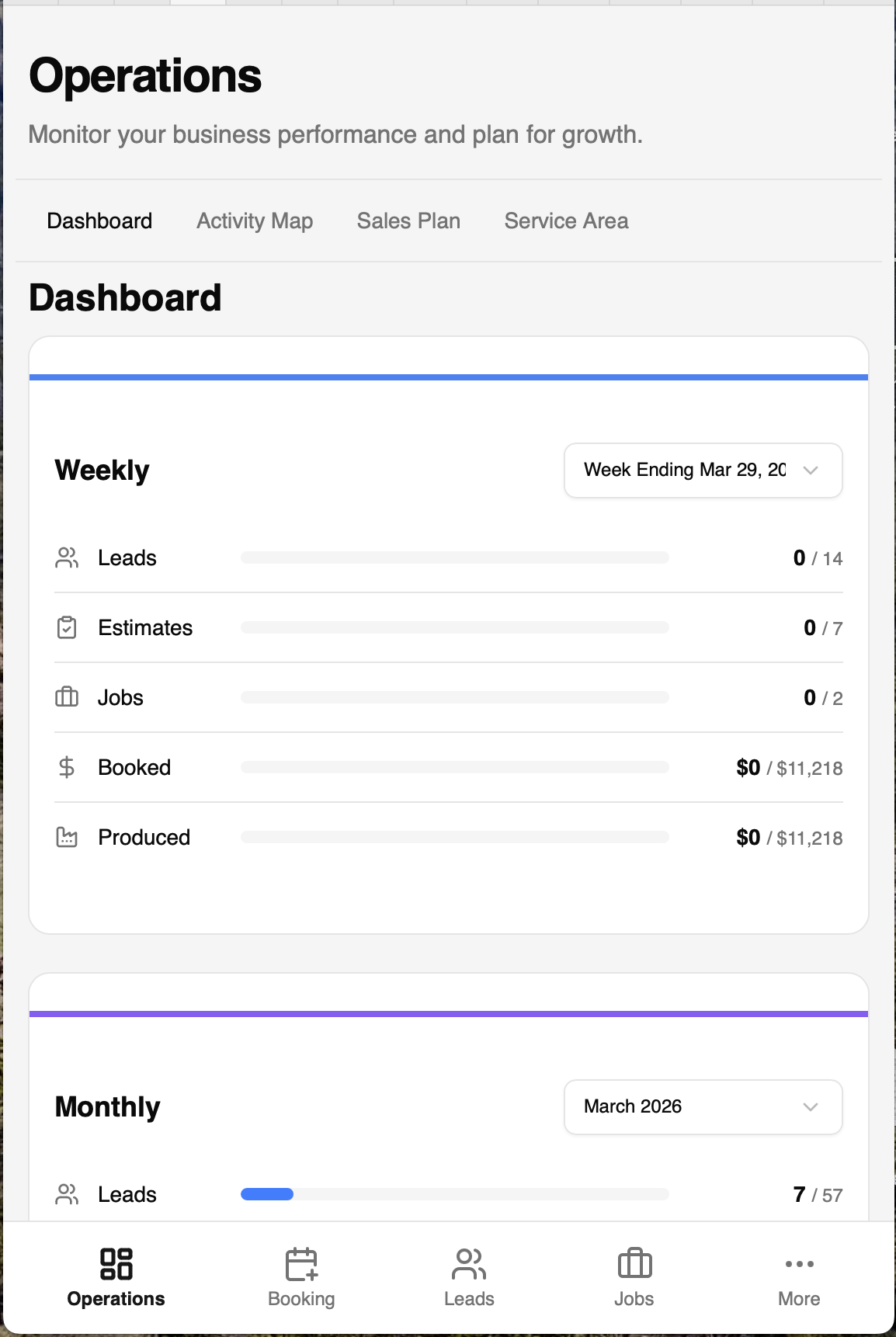
Mobile dashboard
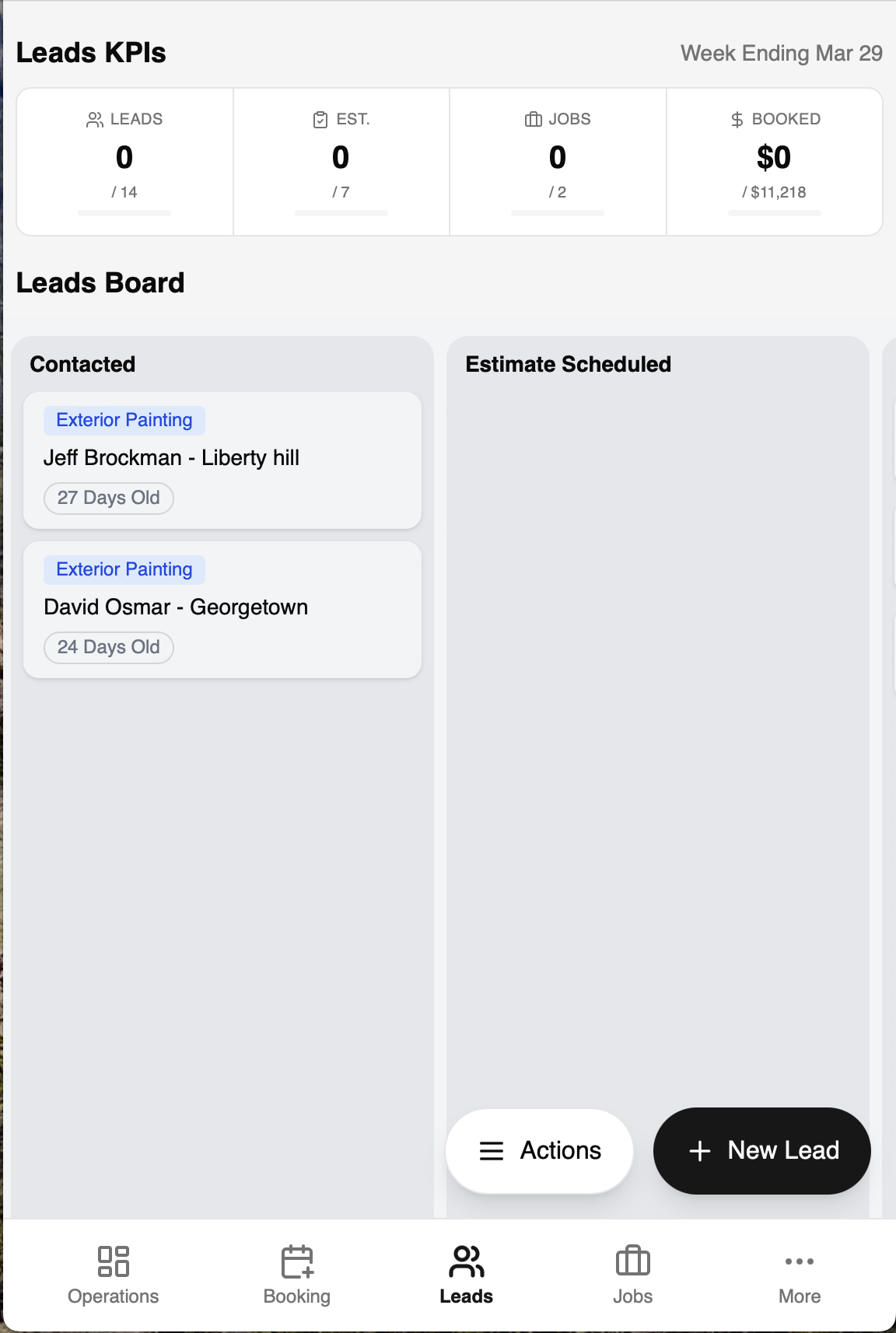
Mobile leads board
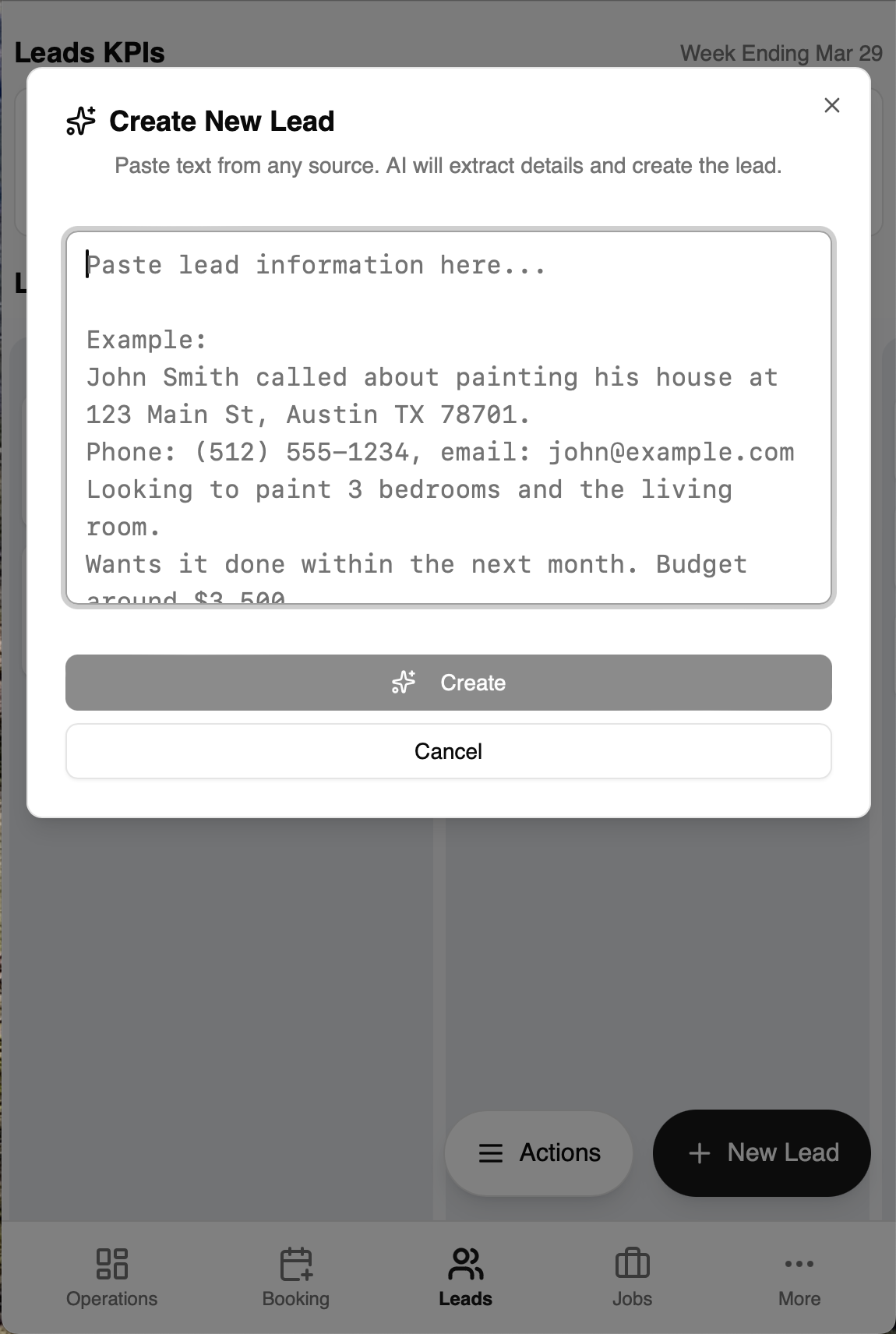
AI lead extraction
The stack
The architecture is a React PWA on the frontend with Supabase handling the data layer and authentication, deployed on Vercel. What makes this project interesting isn't just the stack — it's how it was built. I used Windsurf with Claude Opus 4.6 as my AI pair programmer for the entire build. The AI didn't just write boilerplate — it helped architect features, debug edge cases, and iterate on the data model.
What was hard
Replacing deeply ingrained habits
The hardest part of building custom business software isn't the code — it's getting people to actually use it. When someone has been running their business on spreadsheets and text messages for years, switching to a new system requires more than good UX. It requires the system to be so obviously better that the friction of change is worth it.
Modeling real-world complexity
A painting business looks simple from the outside — get a lead, estimate the job, send a crew. But the data model underneath is surprisingly complex. Leads come from multiple sources with different formats. Jobs have multiple phases, crews rotate, materials need tracking. Getting the schema right so the app handles all the edge cases without becoming bloated took real iteration.
AI-assisted development at scale
Building an entire production app with AI assistance (Windsurf + Opus 4.6) was a learning experience in itself. The AI is incredibly productive for feature scaffolding and debugging, but you still need a clear architecture vision. Without it, you end up with an app that works but is hard to maintain. The lesson: AI accelerates execution, but you still need to steer.
Where it's headed
The app is live and in daily use running Howdy Painting's operations. The immediate focus is on deepening the AI automations — more intelligent lead scoring, automated scheduling optimization, and predictive analytics on job profitability.
Longer term, the patterns here are repeatable. The same architecture — custom CRM with AI workflows on Vercel + Supabase — can serve any service business that's outgrown spreadsheets but doesn't need Salesforce. Painting is just the first vertical.
Current status
- Live and in daily use at Howdy Painting
- Core CRM: leads, contacts, jobs, scheduling, sales
- Expanding AI automation coverage
- Template for other service business verticals